YouFabTa: Scaling Tactile Trust
Designing an AI-native retail operating system that bridges the gap between physical fabric discovery and global digital fulfillment.
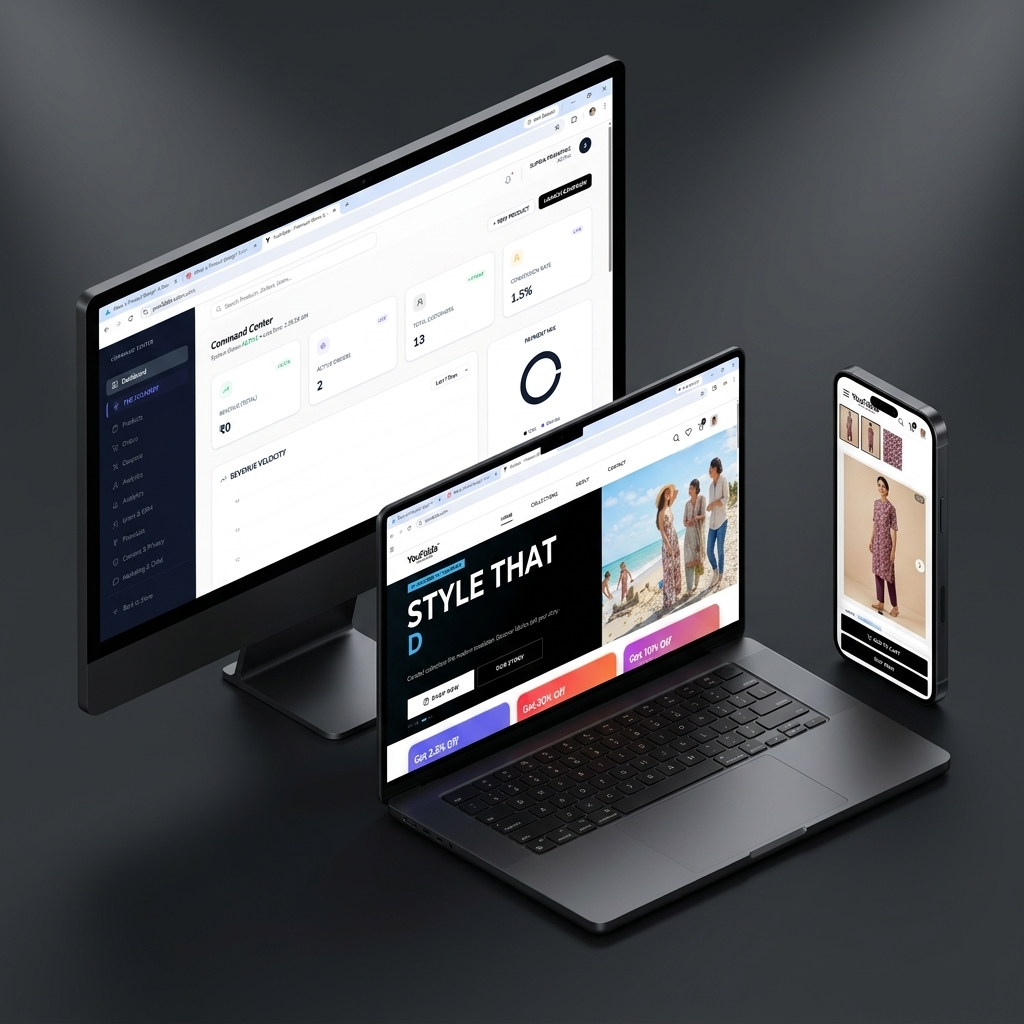
Luxury retail depends on tactile trust—touching fabric, seeing drape, and receiving stylist recommendations. Translating this offline experience online at scale requires a unified retail intelligence layer.
We designed YouFabTa, a unified retail OS featuring an AI Stylist, motion-capture virtual try-on, and a zero-latency backend. We integrated Google's Universal Commerce Protocol (UCP) to allow customers to buy directly from search results.
We didn't just build an online store; we built a retail intelligence layer that scales the luxury of personalized service.
— BRAND STAKEHOLDER, YOUFABTAOnline fabric buyers face extreme anxiety regarding how the garment will fit their specific body shape and how the fabric texture feels in reality. This discovery gap leads to high returns and checkout drop-offs.
Tactile Drape Simulation
Static photos cannot convey the weight, drape, or tactile richness of luxury fabrics. Traditional physics engines require desktop GPUs, which are impossible to run on consumer mobile browsers.
- High webGL render lag on low-end Android mobile devices
- Unrealistic fabric weight simulations leading to poor VTO accuracy
- Asset download sizes exceeding 15MB per garment profile
Cart Abandonment & Payment Gateways
High friction in entering card details and shipping addresses on mobile viewports causes a 70% drop-off rate at checkout. Standard commerce carts disconnect the discovery loop.
- Multi-step redirect flows losing buyer focus
- No integration with voice assistants or search agents
- High sync lag with Shopify inventory during flash sales
YouFabTa was a masterclass in designing infrastructure as a visual strategy. In luxury retail, visual fidelity is a given; the real differentiator is transaction speed and integration clarity.
By utilizing Google's Universal Commerce Protocol (UCP), we bypassed standard e-commerce carts entirely, allowing users to buy instantly from search and chat.
What emerged was a collection of patterns for tactile e-commerce: webGL fabric wrappers, conversational sales agents, and single-tap checkout adapters.
Tactile trust is measurable. Real-time drape simulations reduce return rates.
Bypass the cart. Let users purchase directly within their active search interfaces.
Automate the fulfillment loop. Zero-latency stock syncing prevents double-sales.
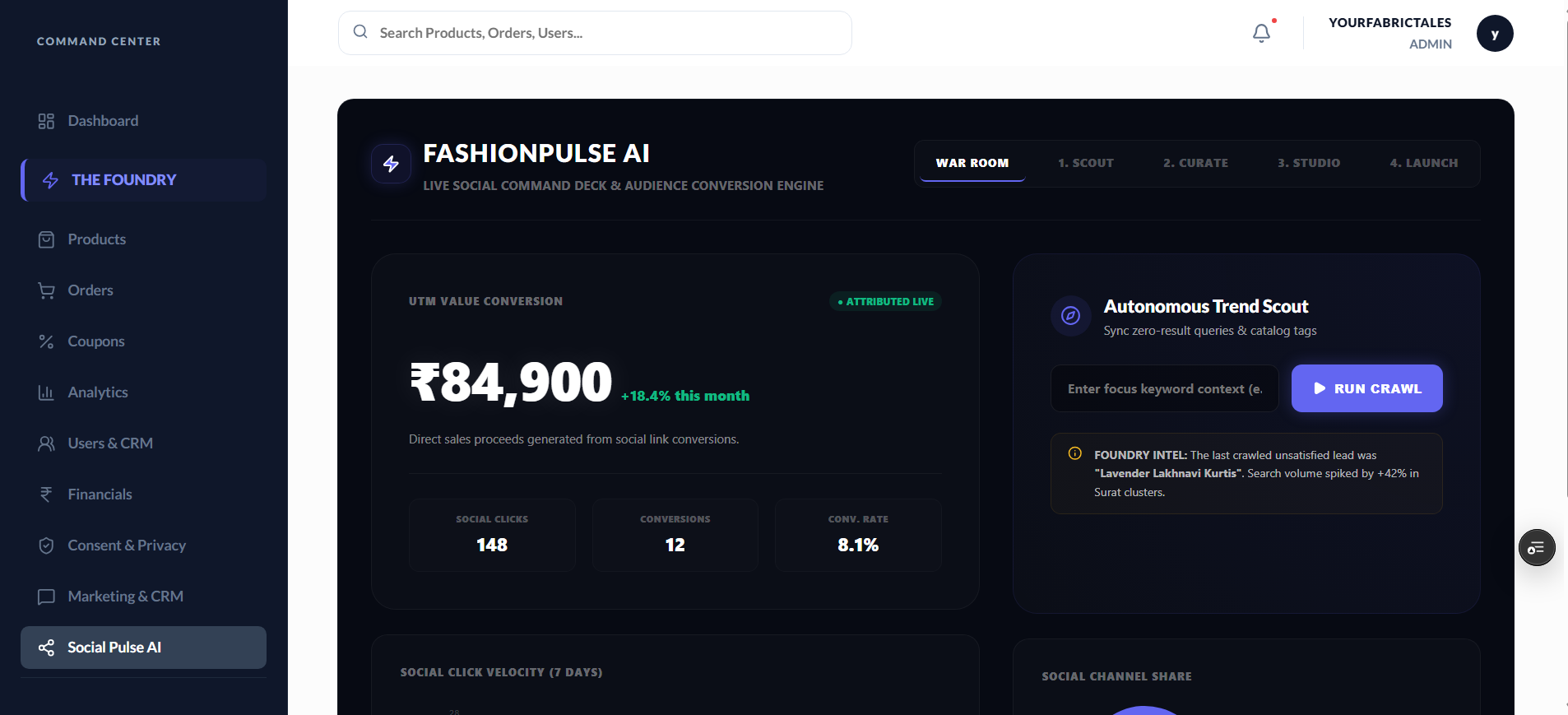
Observe the catalog. Real-time analytics must guide promotional campaigns.
Design for compliance. Keep a secure cryptographic ledger of user consent.
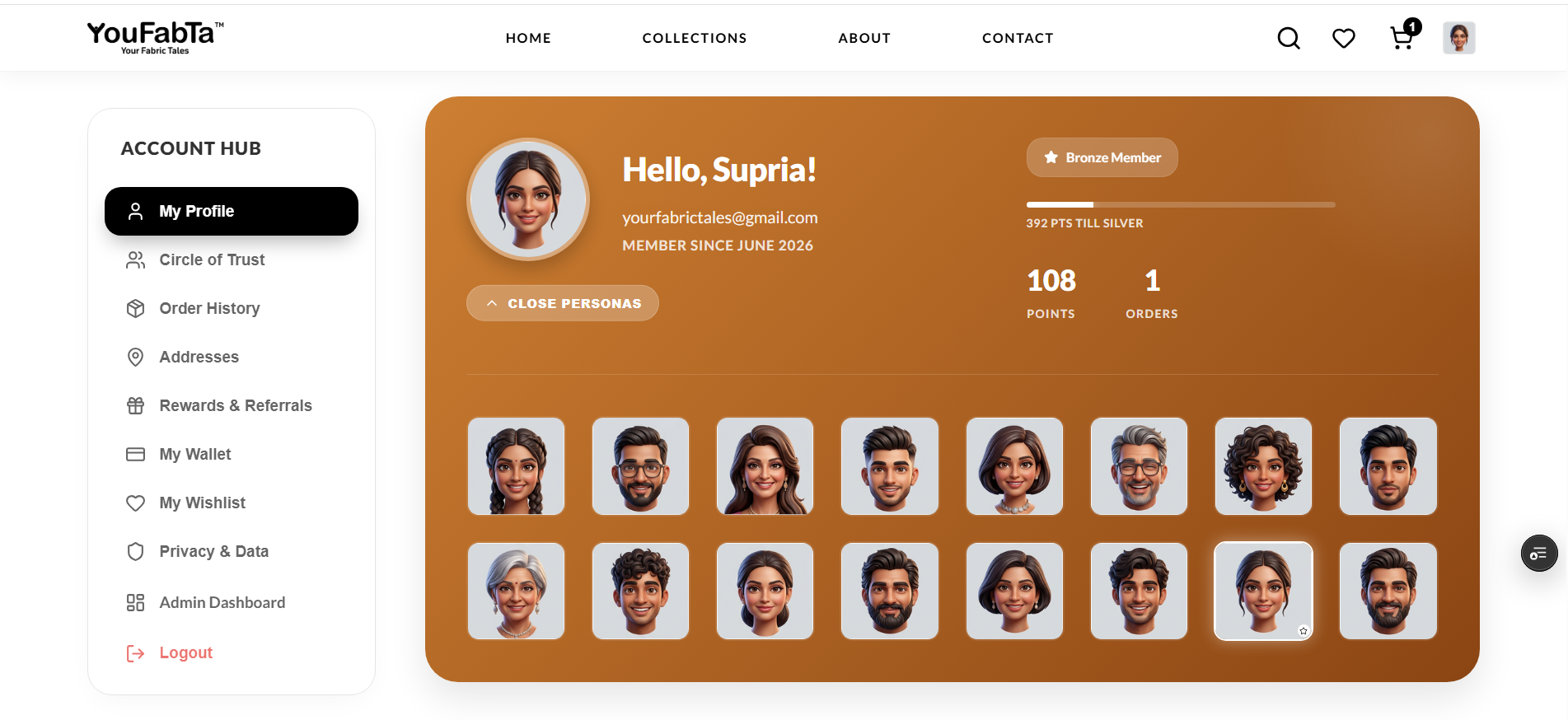
Reimagining virtual try-on without camera permissions, we built the 'Heritage Mirror' using preset fit profiles (Pear, Curvy, Apple, Slim) that match customer measurements. The system overlays fabric drape dynamically using WebGL.
We integrated Google's Universal Commerce Protocol (UCP), mapping checkout flows natively to the AI Stylist's chat thread. Here are the core parameters used to determine drape and checkout state:
Pear, Curvy, Apple, and Slim motion models to match user shapes.
Simulates fabric weight, stiffness, and motion in real-time.
Enables direct buying within search results without standard cart forms.
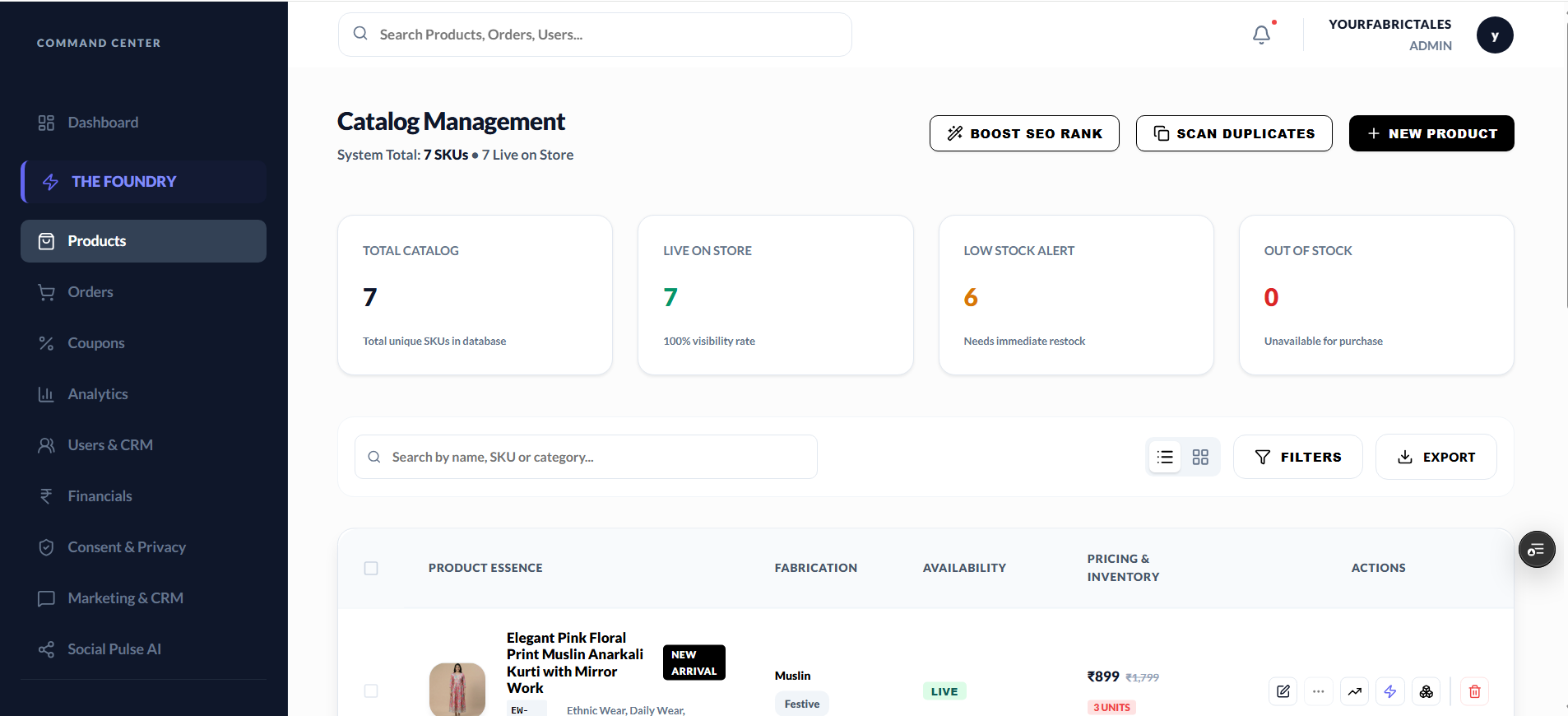
Verifies real-time stock levels before initiating payment gateways.
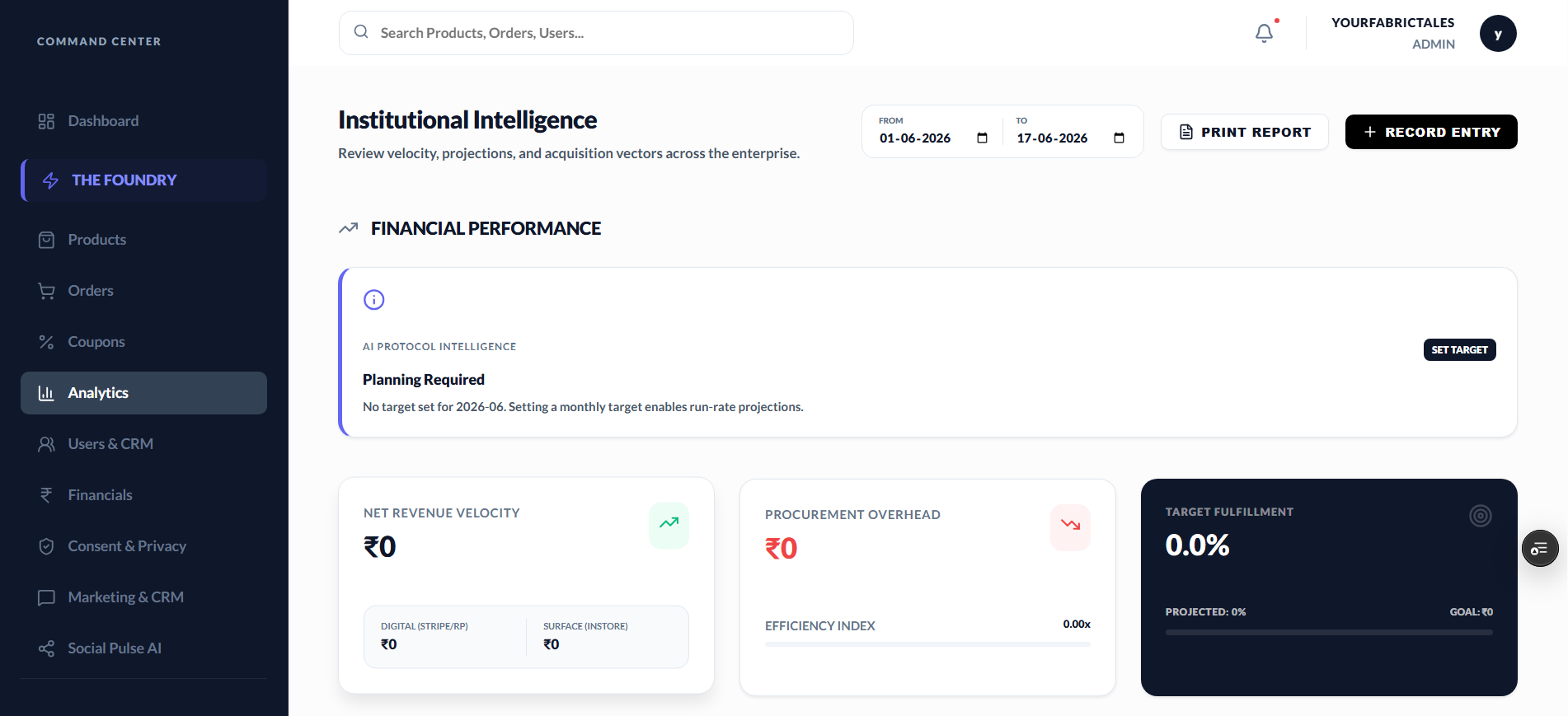
The Retail OS sandbox allows us to test real-time stock allocation, fabric simulation parameters, and transaction speeds.
By displaying diagnostics like WebGL frames-per-second, sync cycles, and transaction response times in a unified console, we optimized retail workflows.
interface RetailOS {
  virtualTryOn: {
    avatarModel: "pear" | "curvy" | "apple" | "slim";
    webGLEnabled: boolean;
    drapeAccuracyScore: number; // 0.0 - 1.0
  };

  stylistAgent: {
    chatSessionId: string;
    suggestedProducts: string[];
    loyaltyTier: "bronze" | "silver" | "gold";
  };

  checkoutUCP: {
    merchantRecordId: string;
    ucpCompatible: boolean;
    latencyMs: number;
  };

  inventorySync: {
    shopifyStockLevel: number;
    syncIntervalSeconds: number;
  };
}Observability in luxury retail means tracking every fabric option, customer cart, and shipping ledger in an immutable audit trail, keeping transactions fully transparent.
WebGL simulation accuracy score compared to physical clothing drape tests in movement.
Drastically lowers sizing mistakes and returns.
Average transaction completion latency using Google Universal Commerce Protocol integrations.
Removes cart drop-off and checkout latency entirely.
Real-time stock synchronization rate with inventory systems to prevent double-sales.
Blocks purchases if product stock falls below safe levels.
Looking for a Strategic Design partner?
Whether it's orchestrating complex design systems or building agentic AI layers, I help organizations bridge the gap between business vision and user-centric reality.