Theorycraft: The Agentic Professional Proxy
Reframing the designer's portfolio as an AI-native, RAG-powered intelligence layer that acts as a 24/7 technical proxy for high-stakes hiring.
Traditional portfolios are static gravesites of screenshots and paragraphs that fail to represent a decade of non-linear design maturity, leadership, and technical capability. Recruiter attention spans are capped at 30 seconds.
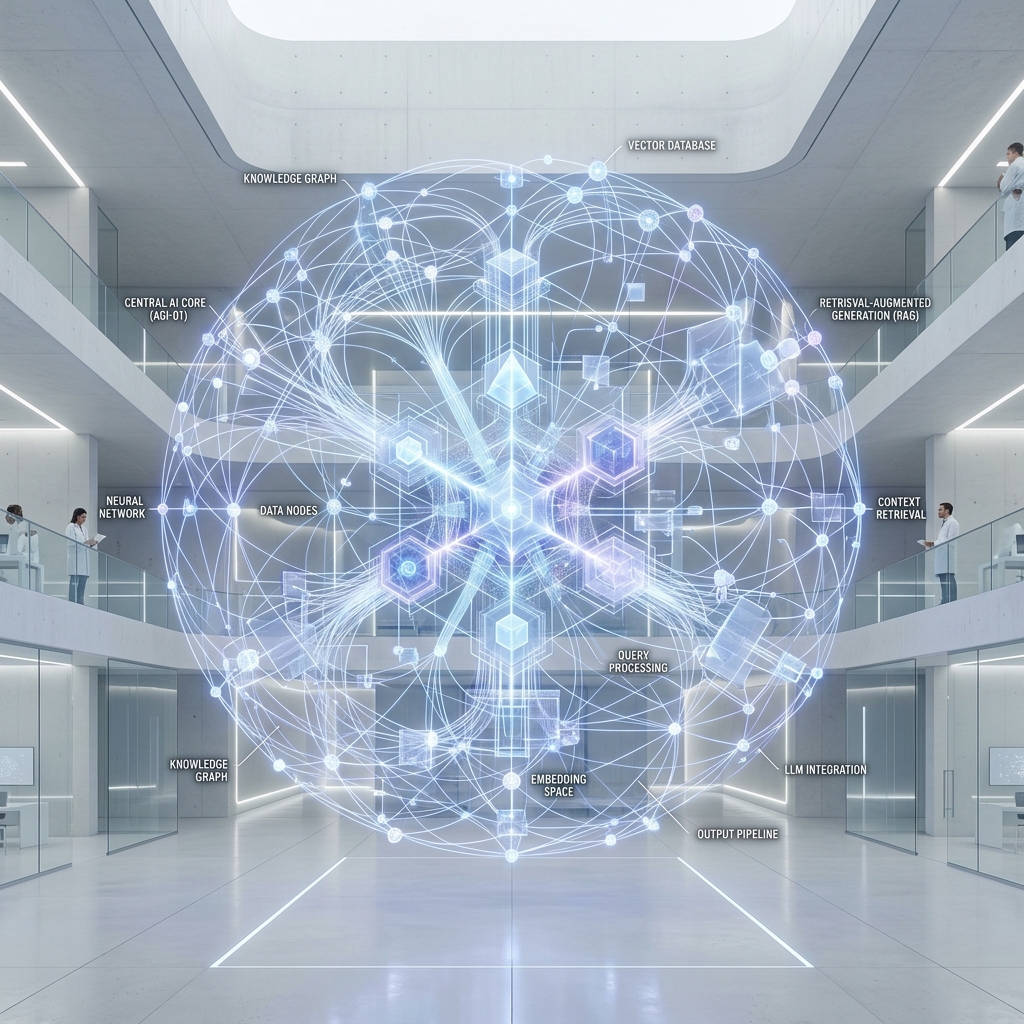
I designed Theorycraft as a self-selling repository. It uses a Retrieval-Augmented Generation (RAG) search omnibar and an agentic chatbot to answer complex recruiter questions with verified project evidence.
In 2026, your portfolio shouldn't just show your work; it should do your work.
— SOUMEN SENGUPTA, THEORYCRAFTHiring managers are forced to guess a candidate's domain expertise from static images. Linear layouts require recruiters to scroll endlessly. We resolved two critical friction bottlenecks.
The Portfolio Discovery Gap
Recruiters bounce quickly because finding the exact project showing a required skill takes too long. Search boxes matching only literal keywords fail to capture domain semantics.
- Endless scrolling causing high portfolio bounce rates
- Key details buried under long paragraphs of text
- Difficulty verifying candidate contribution versus team efforts
Technical Craft Verification
Portfolios show polished final screens but hide engineering knowledge and cross-functional leadership. Candidates cannot easily prove code literacy or database design ownership.
- Opaque designer-engineer handoff documentation
- No proof of architectural understanding or schema skills
- Difficult to check visual systems integrity in static PNGs
Theorycraft proved that professional portfolios must move from passive presentation to active intelligence. In 2026, design seniority is verified by the systems you build, not just the screens you show.
By embedding an LLM proxy directly into the portfolio context, I qualified recruitment leads before the first email was sent.
What emerged was a collection of patterns for AI portfolios: semantic query bars, real-time engagement widgets, and contextual metadata overlays.
A portfolio is a product. Apply product thinking and system architecture to your career.
Design for search, not scroll. Let users query your experience directly.
Show the backend. Code literacy and system design are core visual components.
Observe the query logs. Find out what recruiters are looking for to refine your copy.
Own the proxy. An agentic proxy can represent your design expertise 24/7.
To bridge the gap between high-level summaries and deep-dive technical code, Theorycraft uses a dual-mode parameter interface and interactive Vector search.
The RAG omnibar accepts natural language queries, running PGVector cosine similarity matches on parsed project files. Here are the core metrics tracked in the active session:
Processes semantic questions and returns direct references.
Stores split document embeddings to ensure precise, grounded context.
A conversational agent acting as a proxy to handle visitor inquiries.
Dynamically pulls in relevant files and screenshots as you read.
The Portfolio Sandbox allows us to test RAG prompt configurations, vector match scores, and system latency under multi-user loads.
A unified developer interface displaying active model tokens, context window usage, and real-time response streams.
interface PortfolioRAG {
  searchOmnibar: {
    naturalLanguageQuery: string;
    vectorMatchThreshold: number; // 0.0 - 1.0
    matchedChunksCount: number;
  };

  vectorMoat: {
    embeddingModel: "gemini-text-embeddings";
    pgVectorDimensions: number;
    groundedReferenceUrls: string[];
  };

  agentMascot: {
    proxyIdentity: "soumen-agent";
    contextWindowUsed: number;
    confidenceScore: number;
  };

  analyticsObserver: {
    anonymousRefererDomain: string;
    engagementDepthScore: number;
  };
}Observability meant tracking how recruiters interact with the portfolio, allowing for continuous optimization of layout and content.
Model confidence score in matching user query intent to project content chunks.
Ensures RAG queries fetch relevant and accurate project sections.
Average time taken for a recruiter to extract direct proof of a specific skill or project outcome.
Significantly cuts hiring manager sourcing overhead.
Passive monitoring of incoming corporate domains, page depth, and search interest patterns.
Informs candidate on which enterprise profiles are viewing the work.
Looking for a Strategic Design partner?
Whether it's orchestrating complex design systems or building agentic AI layers, I help organizations bridge the gap between business vision and user-centric reality.