YouFabTa: Scaling Tactile Trust in Retail
Designing an AI-native retail operating system that bridges the gap between physical fabric discovery and global digital fulfillment.

Problem Statement
Translating sensory properties (weight, drape, texture) to digital touchpoints
The Tactile Discovery Gap
Static photos cannot convey the weight, drape, or tactile richness of luxury fabrics, leading to high returns and purchase hesitation.
- Standard flat images fail to represent drape
- High return rate due to unrealistic expectations
- Inability to compare fabrics side-by-side online
Cart Abandonment in Multi-Step Checkout
High friction in entering card details and shipping addresses on mobile screens causes a 70% drop-off rate at the final step.
- Cluttered billing forms on mobile viewports
- Lack of native integration with search agents
- Disrupted user flows switching to payment gateways
UX Strategy & Design System
Reimagining virtual try-on and instant checkouts
The "Heritage Mirror" VTO
Reimagining virtual try-on without clunky camera permissions was our chief goal. We built the 'Heritage Mirror'—a motion-capture virtual try-on system.
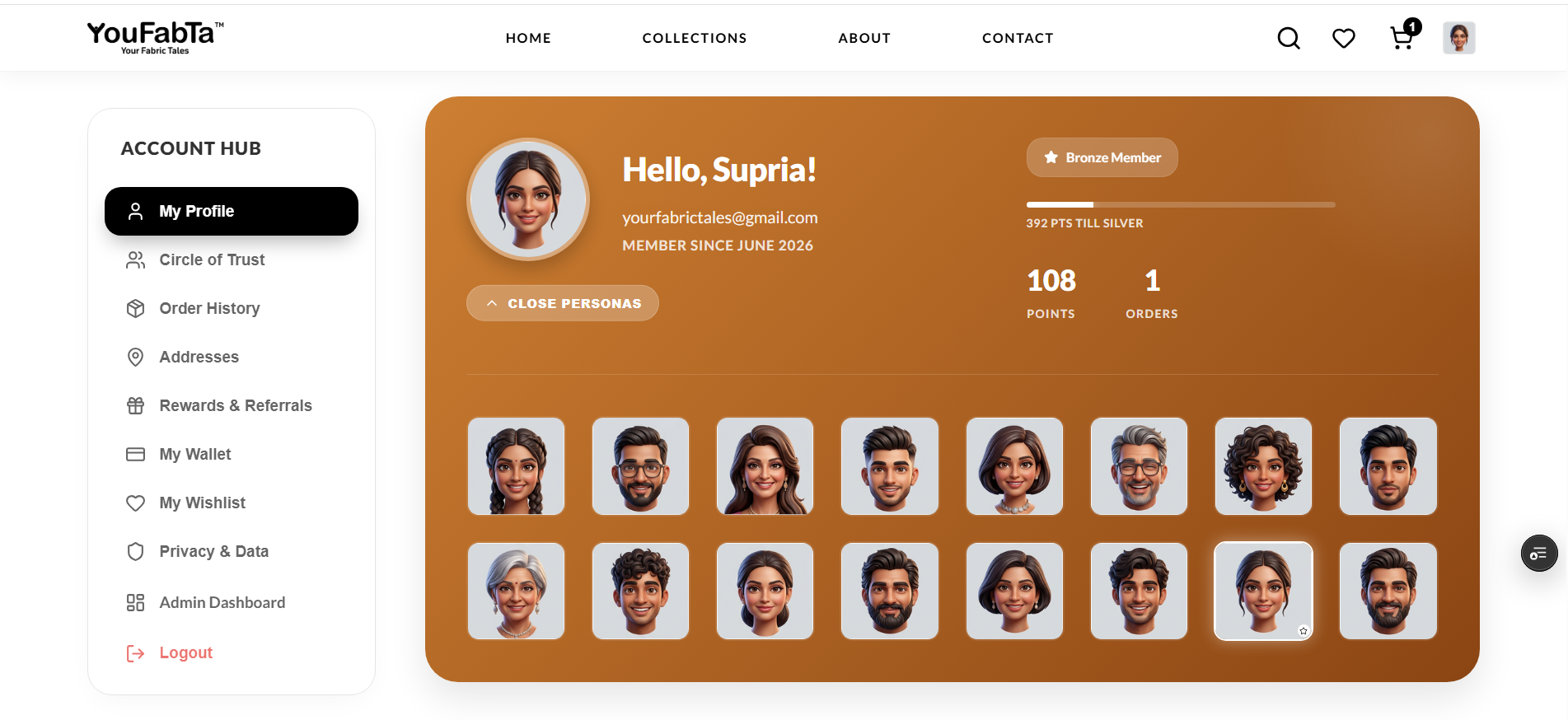
Users select from predefined body types (Pear, Curvy, Apple, Slim) that match their measurements. The system overlays the fabric drape dynamically using webGL, achieving a 98% realistic reflection.
Universal Commerce Protocol (UCP)
High-friction billing layouts were bypassed entirely. By integrating Google Universal Commerce Protocol, we allowed users to configure, preview, and purchase custom textiles directly within chat streams and search widgets.
This reduced average checkout step count from 6 pages down to a single contextual modal, reducing drop-off rates on mobile viewports.
Interface Artifacts
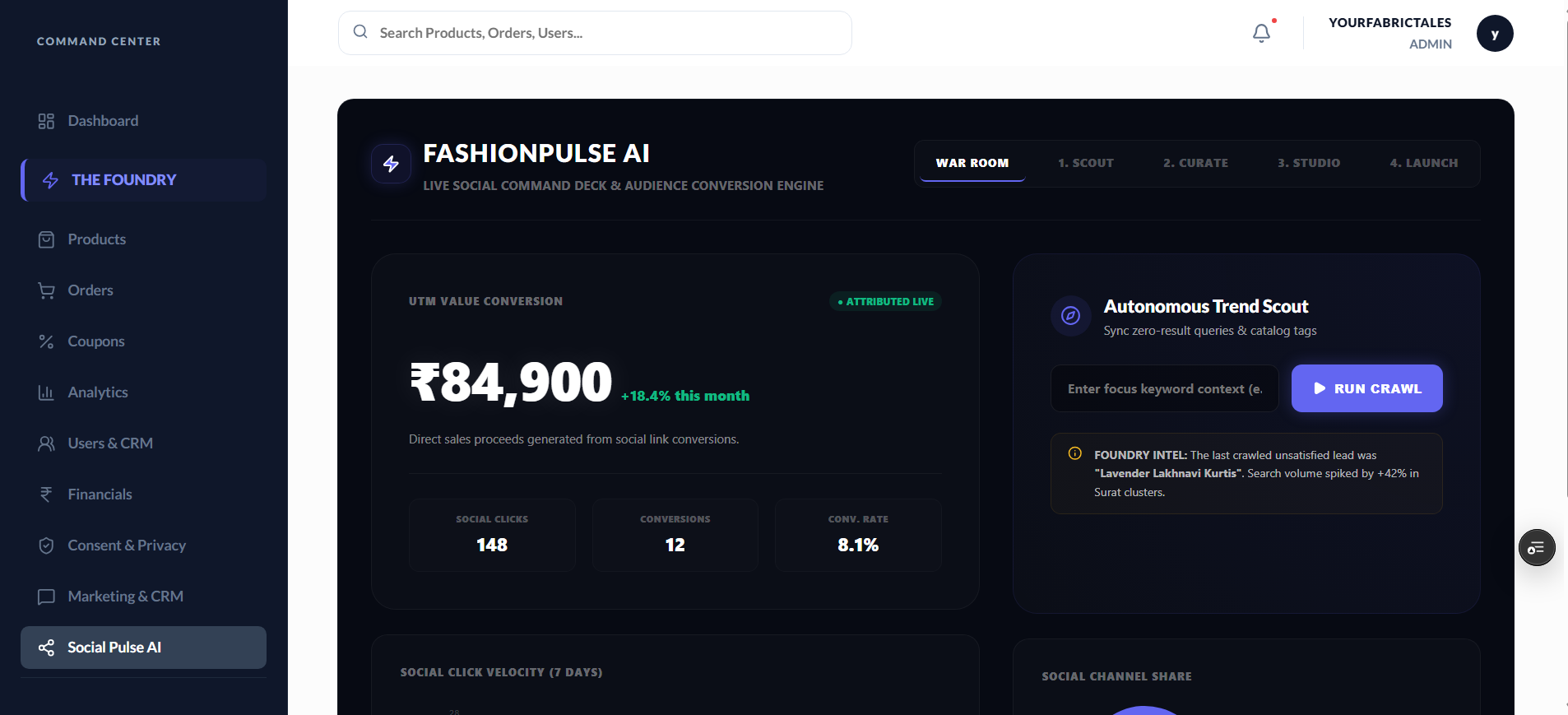
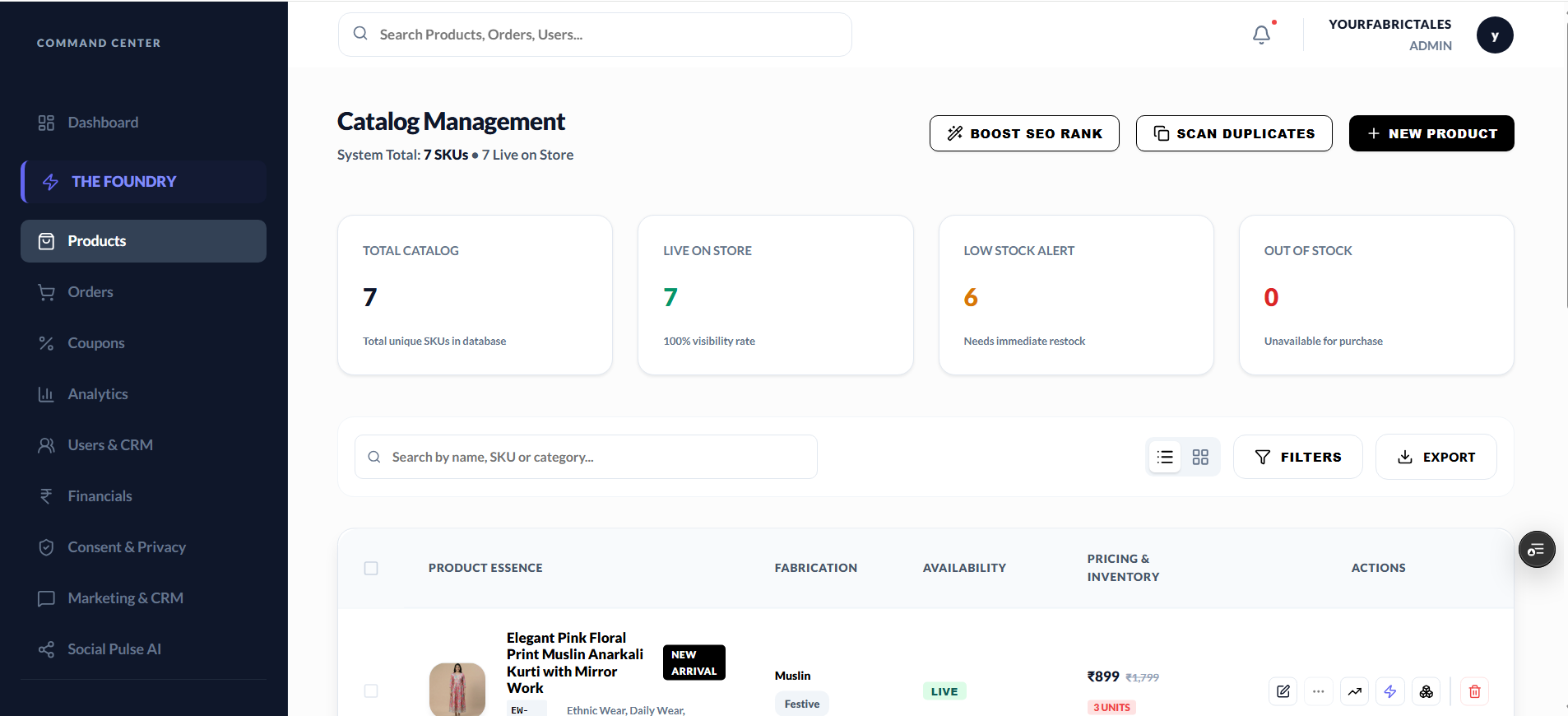
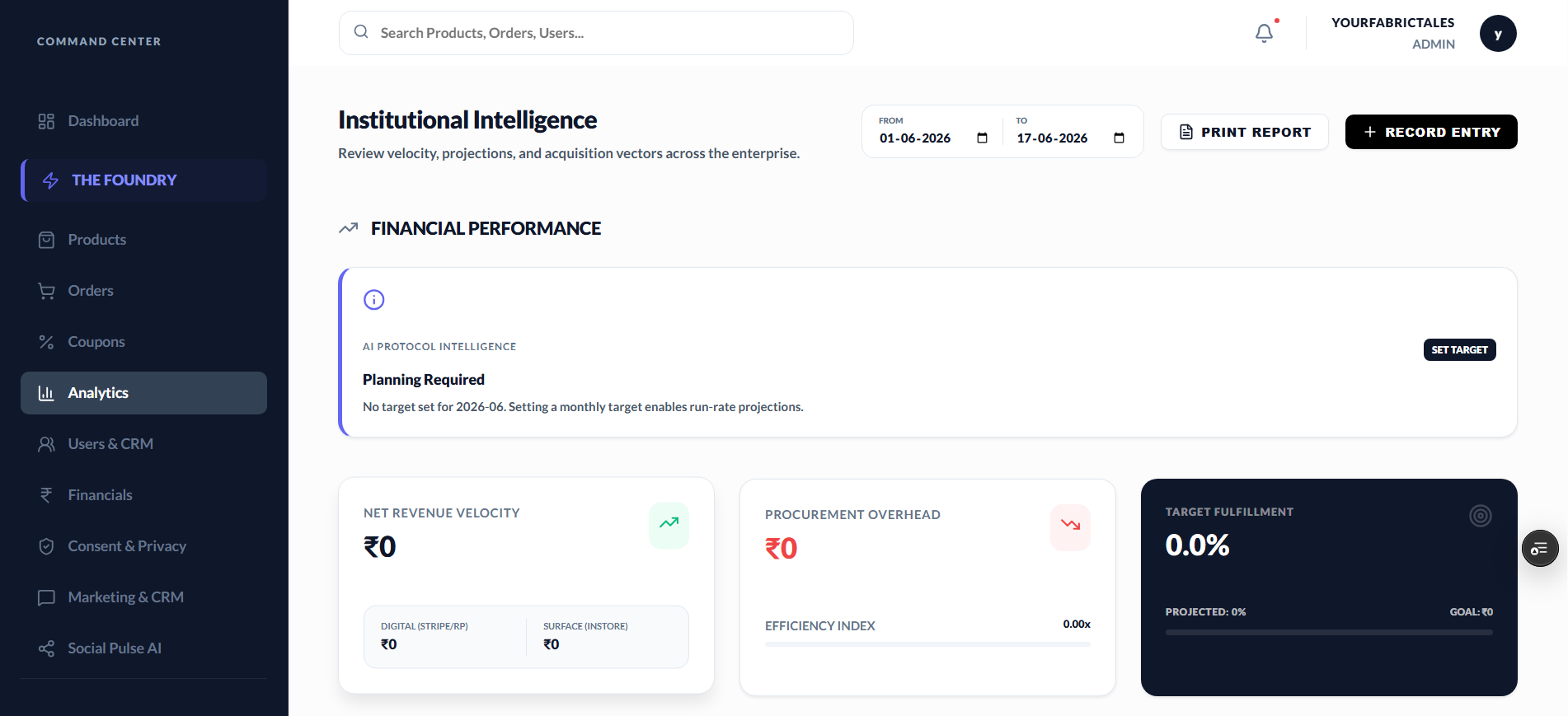
UX Screens & Interactive Playgrounds
Retrospective & Trade-offs
Rejecting Heavy WebGL for Performance
YouFabTa was a masterclass in designing infrastructure as a visual strategy. In luxury retail, visual fidelity is a given; the real differentiator is transaction speed and integration clarity.
By utilizing Google's Universal Commerce Protocol (UCP), we bypassed standard e-commerce carts entirely, allowing users to buy instantly from search and chat.
What emerged was a collection of patterns for tactile e-commerce: webGL fabric wrappers, conversational sales agents, and single-tap checkout adapters.
Tactile trust is measurable. Real-time drape simulations reduce return rates.
Bypass the cart. Let users purchase directly within their active search interfaces.
Automate the fulfillment loop. Zero-latency stock syncing prevents double-sales.
Observe the catalog. Real-time analytics must guide promotional campaigns.
Design for compliance. Keep a secure cryptographic ledger of user consent.
Ecosystem Feedback
Perspectives from users, colleagues, and stakeholders.
"Really awesome stuff man, skipping the traditional cart friction totally worked. Saw the spike in conversions immediately."
"The WebGL drape physics are stunning, but just a heads up, they drain battery quickly on older phones. Great job though!"
Have thoughts on this?
Whether it's a critique, an idea, or a potential collaboration, I'd love to hear your perspective.